Fire emergencies penalize complacency. The organisations that evacuate quickly, represent individuals properly, and limit damage are typically the ones that bought a disciplined emergency situation control organisation and trained wardens that recognize their website like a second home. This write-up unloads exactly how fire warden training changes throughout high‑risk atmospheres, where puafer005 and puafer006 fit, and the useful differences in between an institution passage sweep and a healthcare facility individual relocation. It also covers the tiny information that save minutes throughout a real alarm system, such as the best radio discipline, the chief warden hat colour, and exactly how you determine whether to shelter in place.
The duty of the Emergency situation Control Organisation
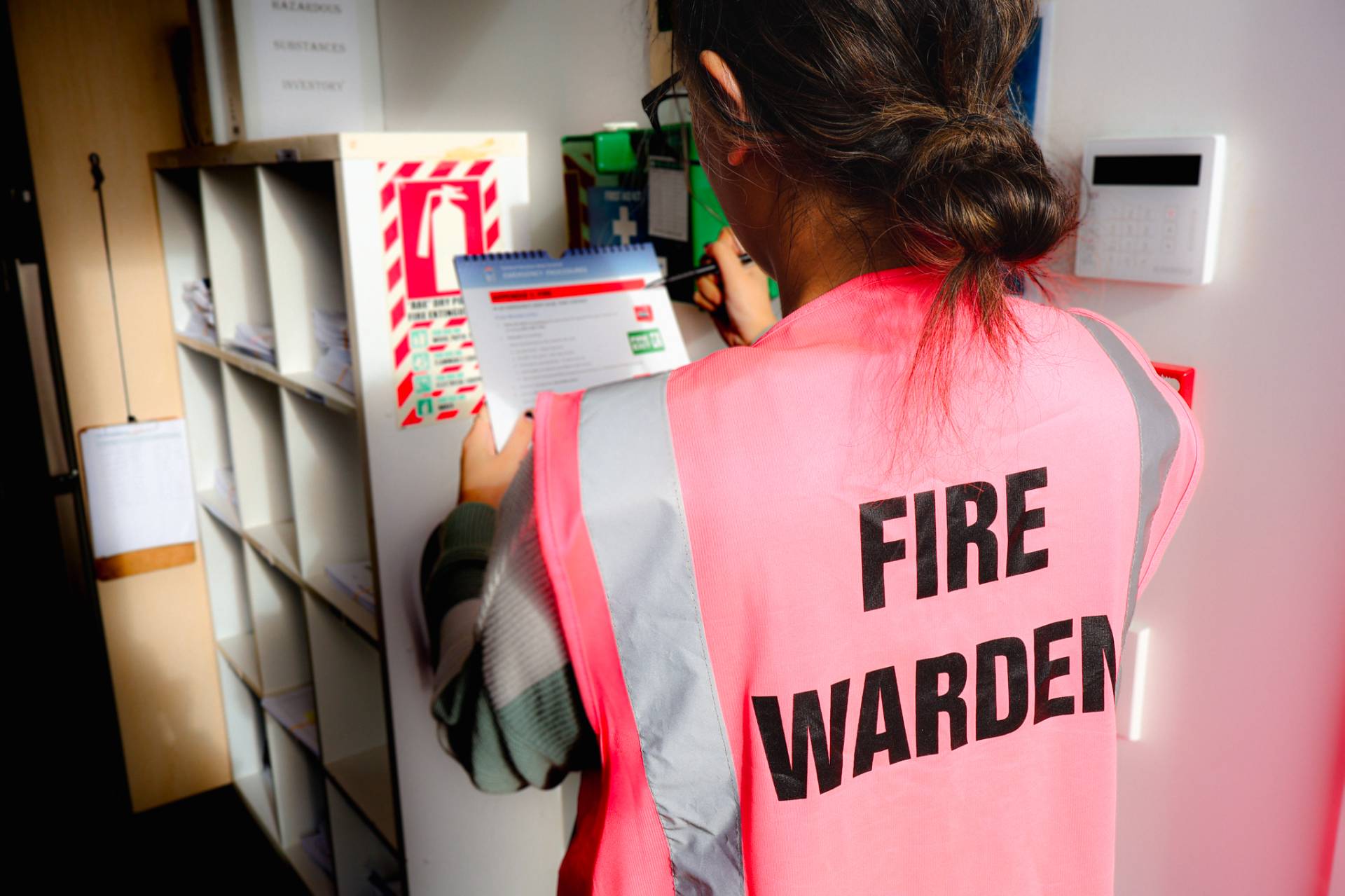
The emergency situation control organisation, frequently shortened to ECO, is the backbone of orderly evacuations. It is not a bachelor but an organized group with defined roles. At the top sits the chief warden, supported by interactions officers and floor or area wardens that collaborate wardens and warder aides. In a regular multi‑storey site, each floor contends least one warden responsible for that flooring's sweep, while the chief warden runs the emergency situation from the control factor, communicating with emergency services.
Training under puafer005 operate as part of an emergency control organisation establishes the common baseline: recognizing alarm systems, replying to occurrence kinds, utilizing interaction systems, conducting a systematic search and sweep, helping individuals with handicap, and taking care of assembly areas. The puafer005 course educates wardens just how to implement directions and report properly without obstructing the radio. When a site has numerous buildings or intricate threats, you add puafer006 lead an emergency control organisation. The puafer006 course creates the chief warden's decision‑making under stress, from partial evacuations and organized relocations to integrating with fire crews and maintaining company continuity in mind.
In training rooms I run, we mimic 2 sort of stress and anxiety. Initially, the stress and anxiety of time: alarm systems blasting, radios hectic, the clock ticking. Second, the anxiety of ambiguity: smoke without fire, a second alarm activation, a missing individual. Good warden training furnishes people to act within plan when info is incomplete.
Industry differences that matter
Every workplace shares the very same basics, yet the threat account and obligation of treatment transform the information. Medical care centers need to handle non‑ambulant people and oxygen risks. Schools require child‑safe processes and answerable headcounts. A shopping center equilibriums multiple occupants and public customers. A storehouse may deal with fast‑moving fire tons and hefty plant. The warden course material need to mirror these facts, not provide a one‑size‑fits‑all lecture.
What complies with are one of the most pertinent fire warden training requirements by industry, based on requirements, regulatory authority guidance, and what in fact functions during drills and actual events.
Healthcare and aged care
Hospitals and aged treatment homes demand one of the most innovative emergency warden training in private settings. Full evacuations are unusual and sometimes hazardous. Inner relocations are common. Fire and smoke areas, straight discharge routes, client dependence categories, and medical top priorities drive every decision.
Wardens in medical care facilities need the puafer005 foundation and, for team leads and after‑hours managers, puafer006 lead an emergency control organisation. Drills need to include partial emptyings by area, use emptying help such as ski sheets or transit chairs, and oxygen shut‑off procedures. The chief fire warden responsibilities consist of confirming with scientific leaders whether to relocate individuals flat behind the next fire door or to shelter in place. The wrong phone call can wear down personnel and jeopardise care.
The chief warden hat colour is generally white, while location wardens use yellow. Where helmet usage is not practical, cap or vest colours follow the very same reasoning. Personnel typically ask, what colour helmet does a chief warden wear? The conventional answer is white, with deputies in white significant "Deputy" and communications in red or an additional contrasting colour according to site protocol. Consistency beats style here. In a genuine occasion, responders should identify the chief warden from 20 metres away.
Healthcare adds specific expertises past a typical fire warden course. Wardens should plan and exercise presented relocations. Liability for patients may rely upon bed boards or electronic control panels. In graveyard shift with minimal staff, the ECO structure presses, so cross‑training issues. I suggest centers to keep an on‑call chief emergency warden listing with a minimum of two alternates, all existing in chief warden training.
Expect constant refresher courses. Yearly emergency warden training works, yet high‑turnover wards or newly opened up wings take advantage of much shorter, quarterly exercises that rotate circumstances: linen space smoke, kitchen area ignition, or a fire panel mistake that triggers an examination without evacuation. The chief warden requirements ought to consist of proficiency in analyzing fire indicator panel data, not just checking out labels.
Education: colleges, TAFEs, and universities
Education setups split into 3 realities. Primary and high schools have high guidance demands and taken care of course teams. TAFE and occupation schools rest somewhere between, with diverse workshop dangers including welding bays and spray cubicles. Universities appear like mini‑cities with laboratories, collections, and residence halls.
For schools, fire warden training requirements concentrate on quick move and positive control of student activity. Teachers operate as wardens by default, trained to lead their courses to the setting up area and hand over matters to area wardens. The emergency warden course should educate lockdown vs discharge logic alongside fire reaction, because those decisions occasionally intersect. Chief warden training at colleges stresses clear public address messaging, sychronisation with very first responders, and transportation factors to consider if the site boundaries hectic roads.
TAFE and university settings require split wardens. A science faculty may need expert wardens for chemical stores and laboratories. Workshops need wardens who can separate devices and understand local dangers like flammable coatings. The puafer005 course offers the standard, but faculties with high‑risk activities need to add unit‑specific modules. The chief fire warden duties on a big school consist of communicating with security control areas, selecting staged emptying by structure or area, and keeping an online map of wardens deployed.
In student‑heavy sites, responsibility is the weak spot. Roll‑calls may not help casual presence. Drills ought to educate for functional liability: evacuate promptly, then focus location wardens on concern checks such as laboratories in procedure, raises quit and checked, and persons with impairment causes activated. Chief warden responsibilities include validating that persons with a Personal Emergency Situation Emptying Plan have actually been aided. Appoint friends and educate them, not just the pupils that signed the plans.
Retail and shopping centres
Retail combines short-term residents and multitenant intricacy. Occupants vary from style shops with high fire lots to food courts with oil dangers. A shopping center's ECO need to link these distinctions and prevent communication turmoil. The chief warden ranges from a control room, talking on a centre radio network, while occupant supervisors work as neighborhood wardens within their tenancies.
Fire warden demands in the office for retail consist of a minimum of one warden per shop per shift. Large anchors frequently require several wardens to sweep back‑of‑house locations and staff centers. The warden training need to cover shutter doors and egress signage peculiarities, how to chief fire warden course - firstaidpro.com.au take care of mobility‑impaired buyers, and what to do when alarm systems trigger during top trading.

When I train centre groups, we stage two drills each year on different days and times to test food court crowding versus weekday quiet. We practice escalator closure and safe redirection. The chief warden course need to include procedures for presented discharge by shopping center areas. If a tiny fire breaks out in an occupancy with suppression turned on and smoke minimal, a partial emptying may be adequate. That choice belongs to the chief warden in examination with the fire brigade, and puafer006 prepares leaders to make that call, record it, and evaluation it.
Offices and business towers
Corporate atmospheres usually fulfill marginal conformity yet underperform in drills. The issue is simple: people treat alarms as disturbances. A clear ECO with trained wardens modifications that culture. Offices must maintain one warden per 20 to 30 occupants as a rough overview, with more in complex flooring plates or where staff flexibility varies.
Emergency warden training in offices needs to exceed the fundamentals. Teach flooring wardens just how to take care of lift lobbies, hold individuals at refuge factors if smoke is reported listed below, and collaborate with protection on building‑wide messaging. The chief fire warden requirements for high‑rises include knowledge of stairway pressurisation, intercoms to floorings, and exactly how to take care of a simultaneous vs presented discharge. After hours, cleaning service providers and single employees require a various plan. That is when a basic warden course is insufficient. You need treatments for reduced occupancy and a clear duty on protection to presume initial chief warden responsibilities till a building manager arrives.
The fire warden hat colour conventions still help in big lobbies, yet several workplaces opt for vests. The chief warden hat, if made use of, should continue to be white, and location wardens yellow or red according to website policy. The crucial point is visibility, not brand alignment.
Industrial, logistics, and manufacturing
Warehouses, circulation centres, and factories lug high fire loads and usually hazardous power resources. Racks, conveyors, forklifts, and aerosols ask for meticulous danger planning. Warden course material need to be tailor-maked for plant seclusion, closure actions, and external setting up areas that remain upwind of likely smoke.
A great fire warden course for these websites includes sensible walk‑throughs of hands-on telephone call points, emergency situation stops, and lawn sprinkler control valves. Some centers incorporate initial attack firefighting training for chosen personnel who can safely utilize extinguishers in the first crucial secs. That choice ought to be threat assessed and embedded in treatment. The chief warden requirements include confirming a headcount for specialists, visitors, and vehicle drivers. Paper sign‑in publications fail under stress. Make use of a digital pass or an assigned specialist warden that brings the register to the setting up point.
I advise circulation centres to replicate a fire in a rack mid‑aisle with egress obstructed and to exercise alternate paths. One site cut 3 mins off their emptying time after they repainted second egress doors and readjusted pallet positioning regulations by a single pallet width. Little changes matter.
Hospitality and public venues
Hotels, theaters, and event rooms deal with a nighttime reset of passengers. Wardens may be front‑of‑house supervisors at night and a different team in the morning. The emergency warden course have to match shift work and informal staffing. Train crucial functions more deeply: night supervisors that serve as chief warden, heads of home cleaning who recognize every back corridor, and AV leads that can kill stage power.
Guest liability is tough. Focus on path administration and personnel liability. On the warden training side, method complete blackout emptying with torches, not simply lights on. Teach the distinction between an alarm from a back‑of‑house cooking area versus a guest room head, and the ideal sequence to examine, record, and evacuate.
The training units that secure competency
Two approved competency units anchor modern-day warden capacity. puafer005 operate as part of an emergency control organisation covers the frontline abilities: responding to alarm systems, helping with discharge, clearing areas, reporting standing, and supporting mobility‑impaired individuals. It fits floor wardens, area wardens, and designated emergency wardens in any type of industry.
puafer006 lead an emergency situation control organisation is designed for chief wardens, deputy principals, and interactions officers who coordinate the general reaction. It includes circumstance assessment, decision‑making, sychronisation throughout numerous wardens, and liaison with emergency solutions. A chief warden course developed around puafer006 must include practical tabletop exercises and site‑specific maps, not generic case studies.
I fulfill organisations that send everybody to chief warden training, believing even more is much better. It seldom is. Better to train the majority in puafer005, then pick a smaller cadre for chief fire warden training, with alternates for leave protection. Depth beats breadth at the top.
Frequency, refreshers, and records
Skills degeneration. A well‑run program blends formal training with drills. Annual emergency warden training keeps credentials current, and drills at the very least twice a year keep the muscle mass memory alive. High‑risk locations, like hospitals and plants, take advantage of quarterly situation methods of 15 to 30 minutes. Revolve the scenario kinds: full structure evacuation, partial evacuation, sanctuary in position with smoke administration, and a communications‑only exercise where the group have to collaborate without moving people.
Records issue. Keep a register of wardens with training days, functions, and locations of duty. After each drill, capture times for alarm to initial radio, alarm system to floor clear, and general discharge. A simple trend line informs you whether your warden training is having an effect.
Wardens and individuals with disability
Fire warden needs in the office must attend to special needs from the beginning, not as a second thought. Personal Emergency Situation Evacuation Strategies, often called PEEPs, job when they are sensible and rehearsed. Assign trained friends. Ensure refuge points are understood, intercoms function, and equipment such as emptying chairs are serviced and familiar to staff.
In offices, a common failure is dependence on lifts for day‑to‑day ease of access without preparing for emptying. Wardens need to be clear on lift use regulations throughout smoke alarm, which generally limit lift usage except under the control of fire solutions. The chief fire warden responsibilities consist of confirming that all PEEPs were passed or that persons are secure at sanctuary factors waiting for firemans. That is not a box‑tick job. It calls for particular confirmation from area wardens.
Communication that functions under pressure
Radios can be either your friend or your biggest opponent. Over‑talk groups out vital updates. Under‑communication leaves the primary guessing. In the warden training, develop a radio self-control. Brief acknowledgements. Clear area names. No babble. A floor warden examining a bathroom ought to say, "Degree 16 eastern washrooms clear, going back to stair 2." The chief after that recognizes precisely where people are and what is done.
Public address messages must be scripted, rehearsed, and brief. In mall and universities, multilingual or plain‑language choices aid. Prevent jargon. Individuals require basic instructions: utilize the nearest staircase, comply with team instructions, do not use lifts.
Colours, identification, and small details
Colour coding helps. The fire warden hat colour for general wardens is generally yellow. The chief fire warden hat colour is white. Communications or emergency treatment could utilize red or eco-friendly, relying on website rules. Where hats are unwise, high‑visibility vests noted with duty titles accomplish the very same result. The important factor is immediate acknowledgment from a distance.
Name the setting up locations clearly and use permanent signs. I have seen groups cut a minute off their times simply by relabeling "Assembly A" to "North Parking Area" and noting it on every floor's diagram. Individuals bear in mind places, not letters.
Choosing the appropriate company and program mix
Not every warden course is equivalent. Ask companies exactly how they personalize training. Seek those who will certainly walk your site, learn your alarms and panels, and build scenarios that mirror your dangers. A common slide show may satisfy a lawful minimum however leaves your ECO underpowered.
For most organisations, a core program appears like this:
- puafer005 program for all wardens, with website walk‑through and a drill within four weeks puafer006 training course for chief warden, deputies, and interactions police officers, with tabletop exercises using your maps and procedures Two drills per year, one announced, one unannounced; plus targeted mini‑drills for high‑risk areas
Providers must provide competency evidence and a simple improvement plan after each drill. If you never see modifications to paths, signs, or radio phrasing, your drills are not educating you enough.
Edge cases and judgment calls
Real occurrences seldom look like the textbook. Smoke from a car fire in an underground parking area might not warrant evacuation of a tower over if pressurisation holds. A main school might sanctuary in place during a bushfire smoke occasion instead of leave right into inadequate air. A healthcare facility wing might move 2 spaces throughout the passage while keeping patient treatment. These selections need skilled judgment, clear acceleration to the chief warden, and prompt intermediary with emergency services.
The puafer006 lead an emergency control organisation system clearly establishes this judgment, yet it should be grounded in your site's risk evaluations. Record decision standards, exercise them, and debrief after every event or drill. With time, your ECO will build a dependable sense of when to move and when to hold.
Building a durable culture
Wardens are not website traffic marshals who appear two times a year. They are culture carriers. When staff see wardens take drills seriously, passages stay clear, doors close appropriately, and individuals rely on the system. None of that happens by accident. It comes from choosing the appropriate wardens, buying genuine training, and offering the chief warden the authority and resources to lead.
Titles assist. A chief fire warden that is known, noticeable in a white hat or vest during exercises, and touching center administration comes to be the support throughout a genuine situation. Clear duties, consisting of chief fire warden duties such as panel analysis, partial discharge decisions, and emergency situation solution liaison, transform a name on a chart into a leader on the day.
Practical questions I obtain, responded to briefly
What's the minimum number of wardens? It depends on design and occupancy. A practical beginning factor is one warden per flooring segment or per 20 to 30 individuals, with replacements for protection. In high‑risk or high‑public web traffic locations, rise density.
How frequently should we retrain? Annually for wardens on puafer005, every 2 years for principals on puafer006, with acting drills and scenario refresher courses. Quick turn over workplaces must integrate training into onboarding.
Do we need safety helmets? Not constantly. Utilize what personnel will really wear. Hats or vests must be extremely noticeable and plainly marked with the function: chief warden, warden, communications.
Can wardens make use of fire extinguishers? Only if trained and it is secure to do so. Very first attack firefighting is a separate expertise and needs to never postpone evacuation.
What about persons with disability? Strategy PEEPs, designate friends, train them, and practice. Do not rely upon ad‑hoc solutions.

A brief readiness checklist for any kind of site
- Identify and select a chief warden, deputies, interactions, and location wardens; confirm protection for all shifts Train wardens in puafer005 and principals in puafer006; revitalize regularly Walk the site to confirm paths, doors, sanctuary points, and setting up locations; update diagrams Drill at least twice a year, capture real timings, and carry out improvements Review PEEPs, ease of access routes, and devices for aiding non‑ambulant occupants
Bringing everything with each other by industry
Healthcare demands the inmost bench and most regular method, with chief warden requirements tied to professional realities and compartmentation. Education hinges on guidance, headcounts, and age‑appropriate drills. Retail depends upon occupant combination and crowd handling. Offices need self-displined radio use and consistent flooring sweeps. Industrial websites call for plant expertise, strong service provider controls, and upwind assembly planning. Friendliness relies on shift‑ready wardens that know the back corridors better than the visitors ever before will.
Across all of them, the essentials hold. Train individuals to a conventional with puafer005 operate as part of an emergency control organisation and, for leaders, puafer006 lead an emergency control organisation. Fit the training to your threats and your structure, not the other way around. Make wardens visible, whether through the chief warden hat colour, vest markings, or signage that implies something to your groups. And treat every drill as an opportunity to find out, not a conformity chore.
Strong programs feel virtually uninteresting in their predictability. Everybody knows what to do, who calls what, where to go, and how to represent people. Boring on a drill day is exactly what you desire. It's the very best forecaster that, when something real takes place, your ECO will certainly deliver a tranquility, decisive action that protects individuals and property.
Take your leadership in workplace safety to the next level with the nationally recognised PUAFER006 Chief Warden Training. Designed for Chief and Deputy Fire Wardens, this face-to-face 3-hour course teaches critical skills: coordinating evacuations, leading a warden team, making decisions under pressure, and liaising with emergency services. Course cost is generally AUD $130 per person for public sessions. Held in multiple locations including Brisbane CBD (Queen Street), North Hobart, Adelaide, and more across Queensland such as Gold Coast, Sunshine Coast, Toowoomba, Cairns, Ipswich, Logan, Chermside, etc.
If you’ve been appointed as a Chief or Deputy Fire Warden at your workplace, the PUAFER006 – Chief Warden Training is designed to give you the confidence and skills to take charge when it matters most. This nationally accredited course goes beyond the basics of emergency response, teaching you how to coordinate evacuations, lead and direct your warden team, make quick decisions under pressure, and effectively communicate with emergency services. Delivered face-to-face in just 3 hours, the training is practical, engaging, and focused on real-world workplace scenarios. You’ll walk away knowing exactly what to do when an emergency unfolds—and you’ll receive your certificate the same day you complete the course. With training available across Australia—including Brisbane CBD (Queen Street), North Hobart, Adelaide, Gold Coast, Sunshine Coast, Toowoomba, Cairns, Ipswich, Logan, Chermside and more—it’s easy to find a location near you. At just $130 per person, this course is an affordable way to make sure your workplace is compliant with safety requirements while also giving you peace of mind that you can step up and lead when it counts.